
Production method, inputs and stated limitations
- NREL PVWatts Calculator documentation and version 6 notes
- PVWatts briefing, July 2025
The six questions that decide whether a home solar system is a good buy, what the national sources say about each, and which numbers nobody can tell you online.
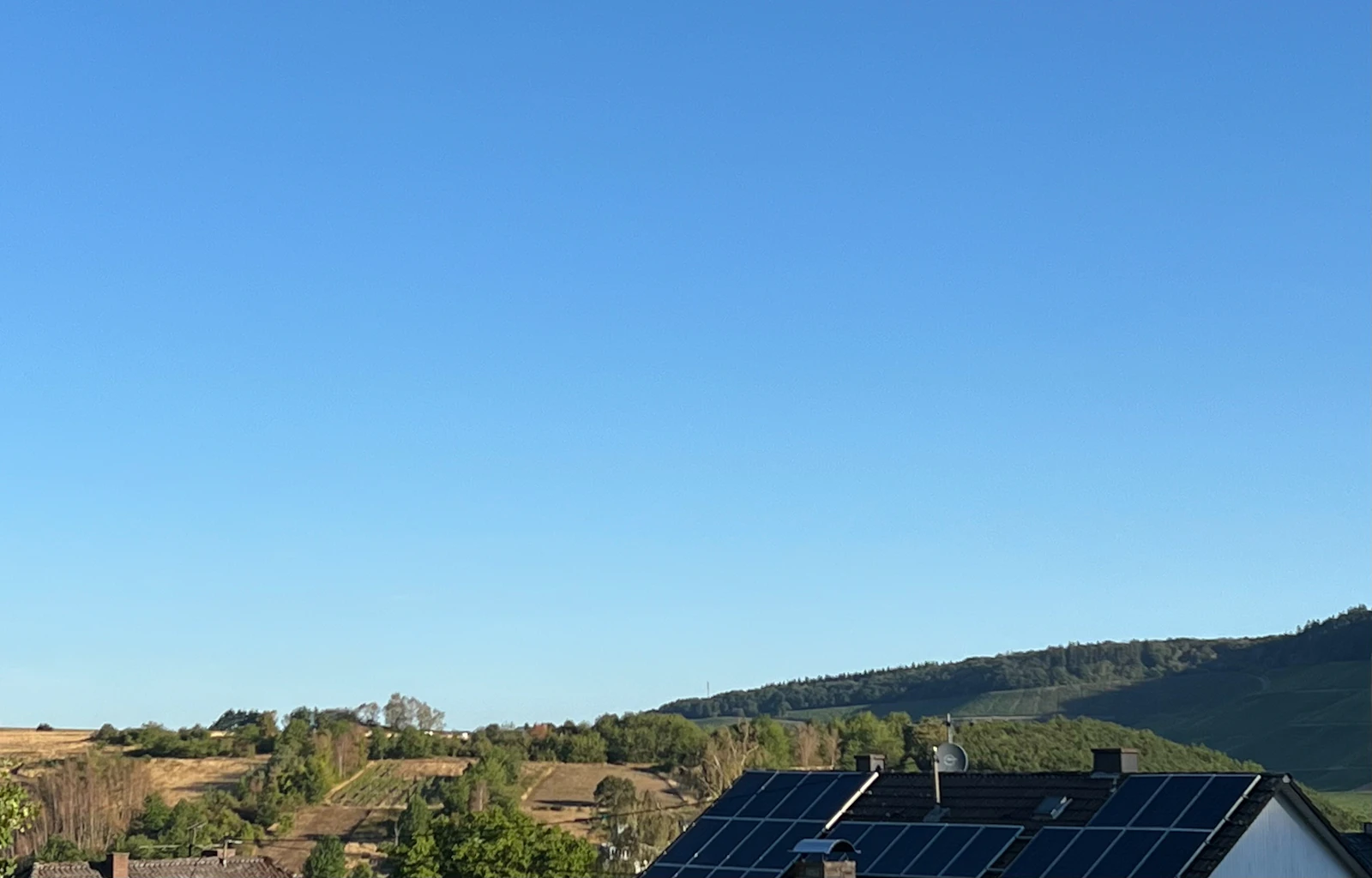
Six things, in this order: the price per watt rather than the monthly payment, the system size in kilowatts, what your utility credits exported power at, what the equipment is warranted to do, what upkeep costs, and what the tax position is now the federal credit has expired. Every page here answers one of the six.
Solar Panel Answers connects you with licensed local solar companies. We are not a solar contractor.
| The question | What the national sources say | Where it is worked through |
|---|---|---|
| What does it cost? | $4.0/W median paid in 2024; $3.0–5.2/W for the middle 60% | What It Costs |
| Is there still a federal credit? | No — ended for expenditures made after 31 December 2025 | Complete Guide |
| How big is a typical system? | 7.2 kW median install; about 4–11 kW for the middle 60% | Complete Guide |
| How much will it produce? | Capacity factor 12.7–19.6% by resource class, 15.7% mean | How It Works |
| What am I paid for exports? | Set by state policy and utility tariff; no national rule | By State |
| How long does the kit last? | Panels 20–25 years; string inverters 10–15 years | Maintenance & Care |
| What is actually warranted? | Usually about 80% of the initial rating at year 25 | Maintenance & Care |
Three categories, and a sales conversation usually mixes them. Production is modelled from public weather data and is knowable within a stated range. Price, size and warranty terms are knowable exactly, from the quote. Payback, savings and bill offset are not knowable from anything published nationally, because they depend on a tariff and a compensation rule set locally.
PVWatts requires six inputs: DC size, module type, array type, system losses, tilt and azimuth.
Each of these has one specific answer. A monthly payment answers none of them.
We publish none of these, because no national source states them. That is an omission, not an oversight.
NREL states the limitation on its own tool rather than leaving it to be discovered: PVWatts estimates “include many inherent assumptions and uncertainties and do not reflect variations between PV technologies nor site-specific characteristics”, and for more precise work it points users to the System Advisor Model. A proposal quoting annual production to the kilowatt-hour with no range attached is claiming more than the method supports.
Panels in residential systems usually last 20 to 25 years. String inverters last 10 to 15 and may need replacing during the life of the panels, while microinverters have lifetimes similar to the panels. Performance warranties run 20 or 25 years and usually end at about 80% of the initial rating after 25 years.
Degradation is where two federal sources disagree, and both are defensible. DOE's FEMP assessment uses about 0.5% per year as the rate at which module efficiency unavoidably declines with age. NREL uses 0.7% per year in its residential cost modelling and in the Annual Technology Baseline, over a 30-year system life. The lower figure describes the fleet; the higher one is what an analyst uses when the answer is money. Quoting both is more honest than picking one.
There are three warranties, not one, and they have very different lengths. Product warranties, covering materials and workmanship, are most commonly 10–12 years, with some as short as 5 and one manufacturer at 25. Performance warranties run 20 or 25 years, declining either linearly or in stair-steps — and the shape of that decline changes what the warranty is worth. Installer workmanship warranties may be only 1–5 years. Inverters are separate again: a 10-year term is now the norm, with 20-year extended plans becoming more common.
A warranty can also fail you in three documented ways. It can be voided by mishandling or by ignoring stated conditions, such as inadequate inverter ventilation. It may cover the replacement part but not the labour to remove, ship and refit it — a DOE-sponsored analysis puts it flatly: module warranties do not cover labor costs. And it may not survive a change of owner, although many manufacturers have a transfer process. One threshold worth writing on the meter cupboard: DOE treats a year-on-year production drop of more than 10% as a sign of a maintenance issue rather than normal ageing.
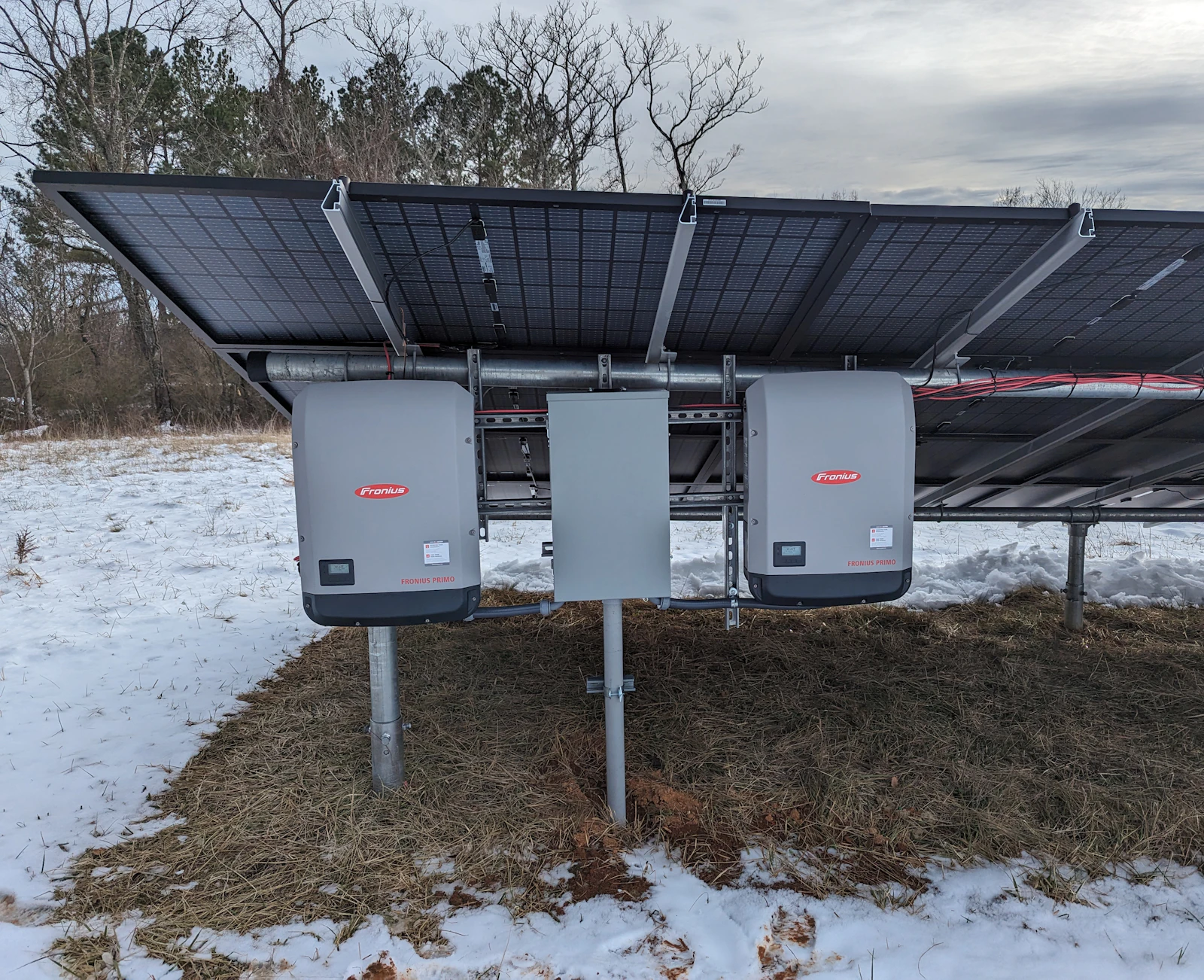
Any number it cannot trace to a named source. Below is the list of figures readers actually ask for, and that national sources do not state:
Where a figure here is arithmetic on a sourced number rather than a quoted one, it says so in the same sentence. Multiplying NREL's capacity factors by the hours in a year, for instance, implies roughly 1,110–1,720 kWh per kW-DC per year with a mean near 1,375 — derived from NREL ATB capacity factors, not a figure NREL publishes. The capacity factor is the number to quote, and the derivation is the number to check.
Two gaps we would like to close, named rather than papered over: what, if anything, replaces §25D for leased and third-party-owned systems after 2025, and the Q1-2025 residential cost benchmark, whose dataset exists but whose residential dollar-per-watt figure could not be extracted on 2026-08-18.
A missing figure is recoverable — it arrives when the source does. An invented one gets quoted back and turns a reference site into the thing it was built to check.

Every figure on this page traces to one of these. Ranges are reported as ranges.

No payback-period figure is reliably sourced for residential solar. What is sourced: net metering rate differences, degradation, and warranty terms.
Read guide →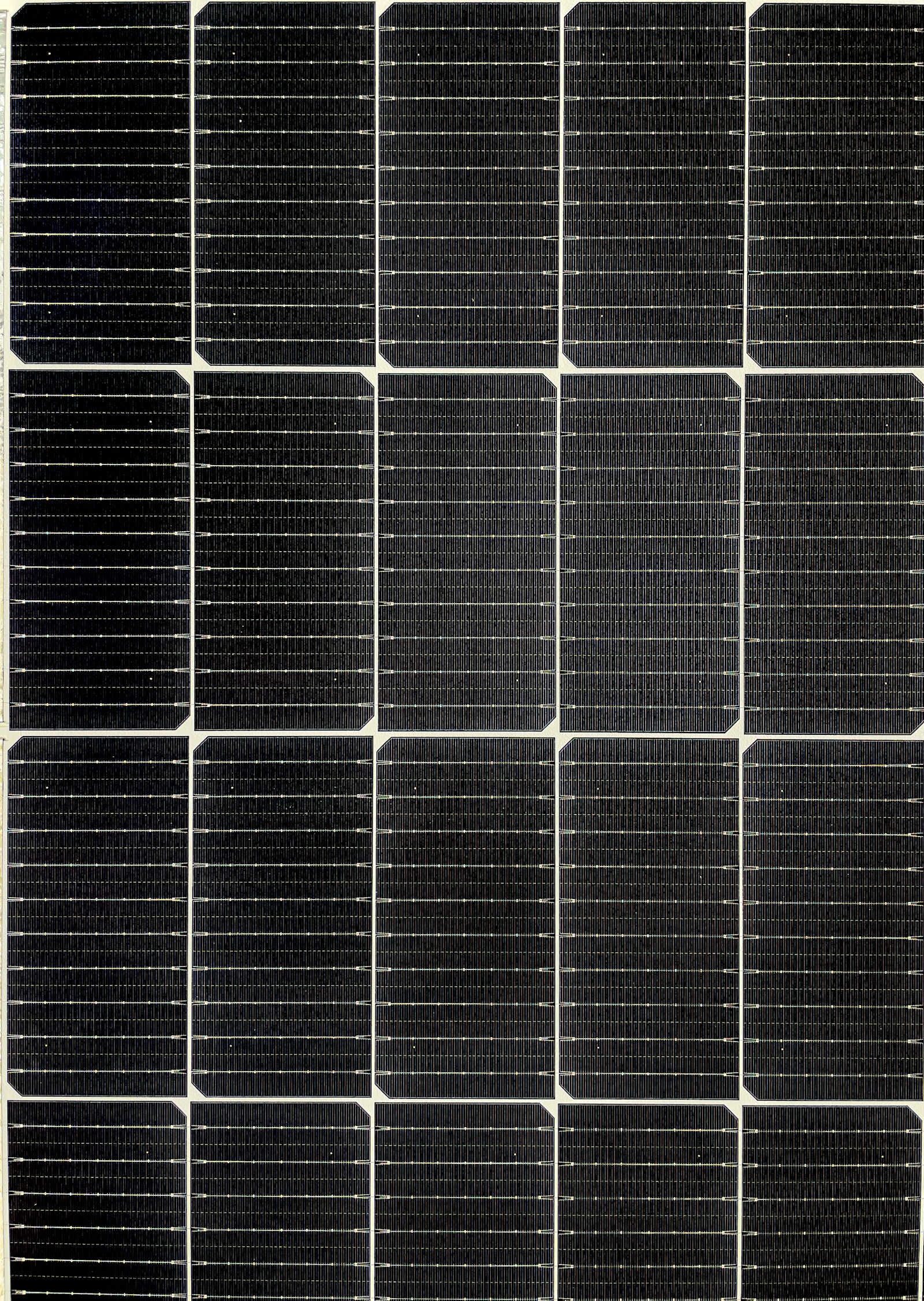
NREL's benchmark PV+storage system pairs 8 kW of panels with a 5 kW/12.5 kWh battery. Sourced facts on the one modeled configuration — no price is sourced.
Read guide →
Workmanship warranties run just 1-5 years, far shorter than 25-year panel warranties. Sourced questions to ask before choosing a solar installer.
Read guide →
This brief has no sourced cleaning frequency or method for residential solar panels. What is sourced: the production-drop threshold that would signal a need.
Read guide →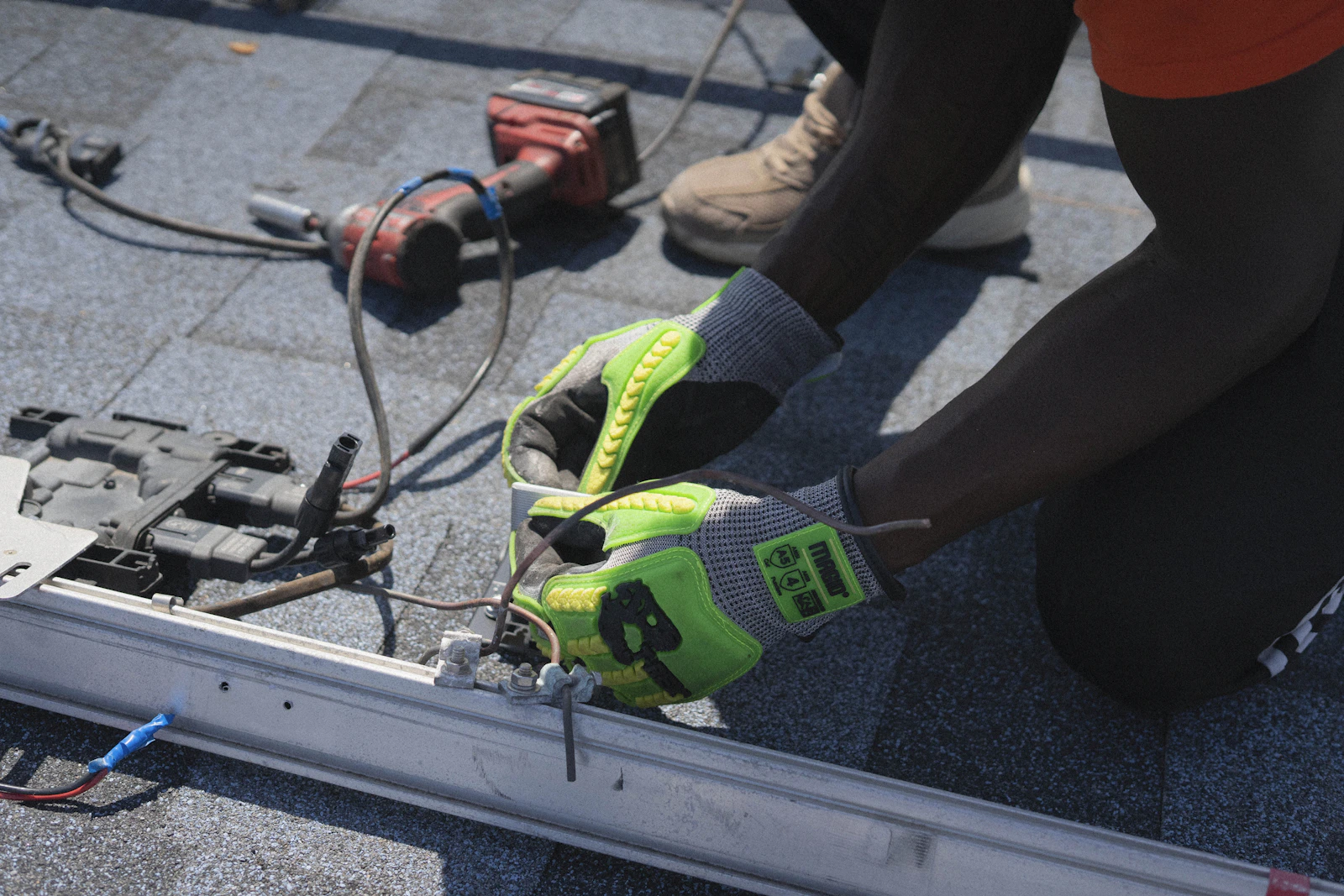
A typical residential system runs 7.2 kW (median), with 2024 prices from $3.0-5.2/W. Sourced figures for sizing a home solar cost estimate properly.
Read guide →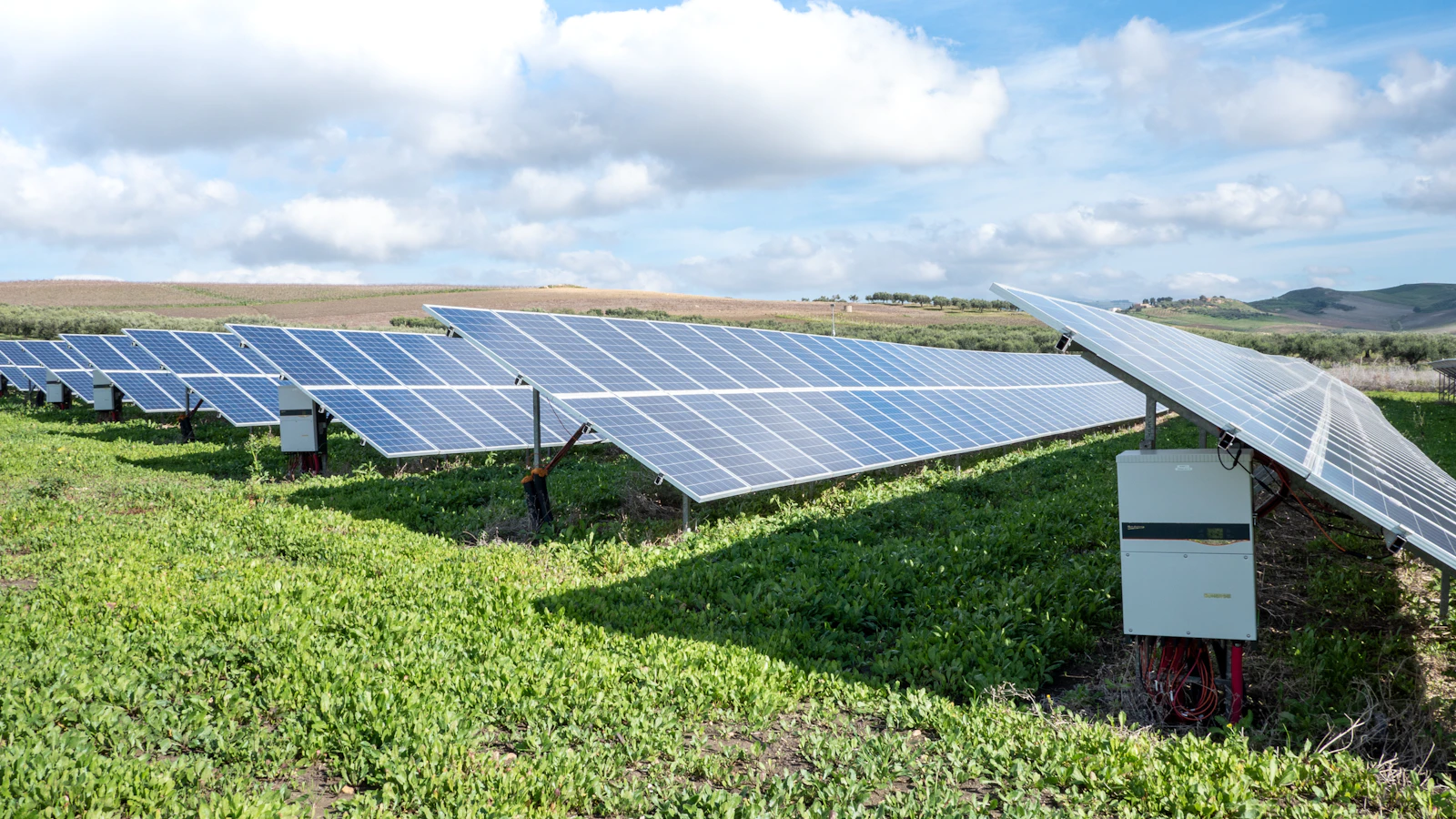
Residential solar fell 65-70% since 2010 but has been flat since 2021. Sourced NREL and LBNL data on the actual cost trend, not a projection.
Read guide →
Median residential solar cost was $4.0/W in 2024, ranging from $3.0 to $5.2/W. Sourced breakdown of what per-watt pricing includes and why it varies.
Read guide →
Homeowners paid a $4.0/W median in 2024; NREL's modeled benchmark is $3.25/W. Sourced figures on why the two don't match, and what's in each.
Read guide →
Workmanship warranties (1-5 years) only apply to professional installs. Sourced facts on what a professional installation actually covers that DIY doesn't.
Read guide →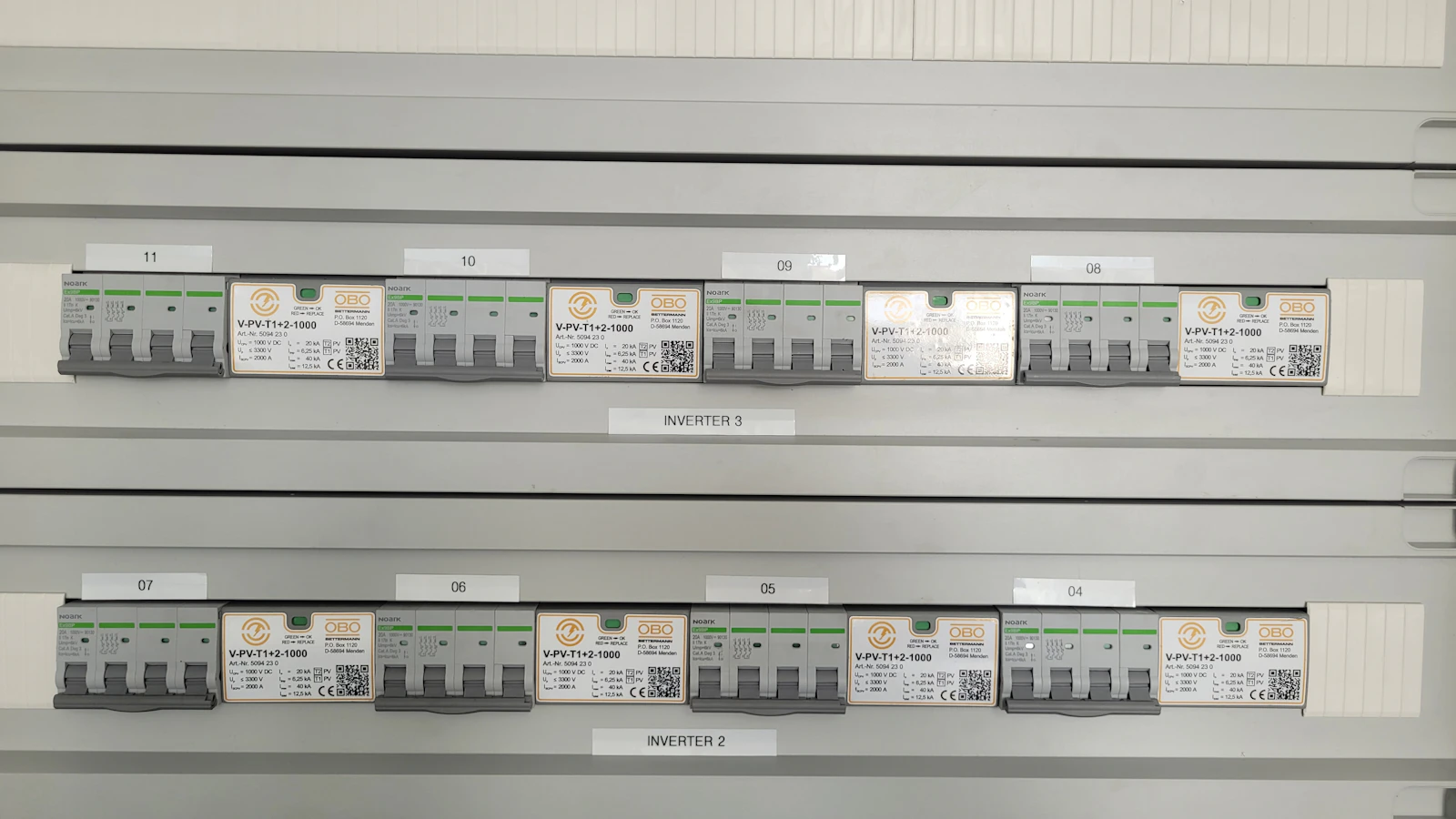
The 30% federal solar credit ended for expenditures after December 31, 2025, per P.L. 119-21 — what the repeal actually did and didn't change.
Read guide →
Loan-financed solar carried a $1.2/W premium over cash in 2024. Sourced facts on financing's effect on price — lease and PPA pricing is not yet sourced.
Read guide →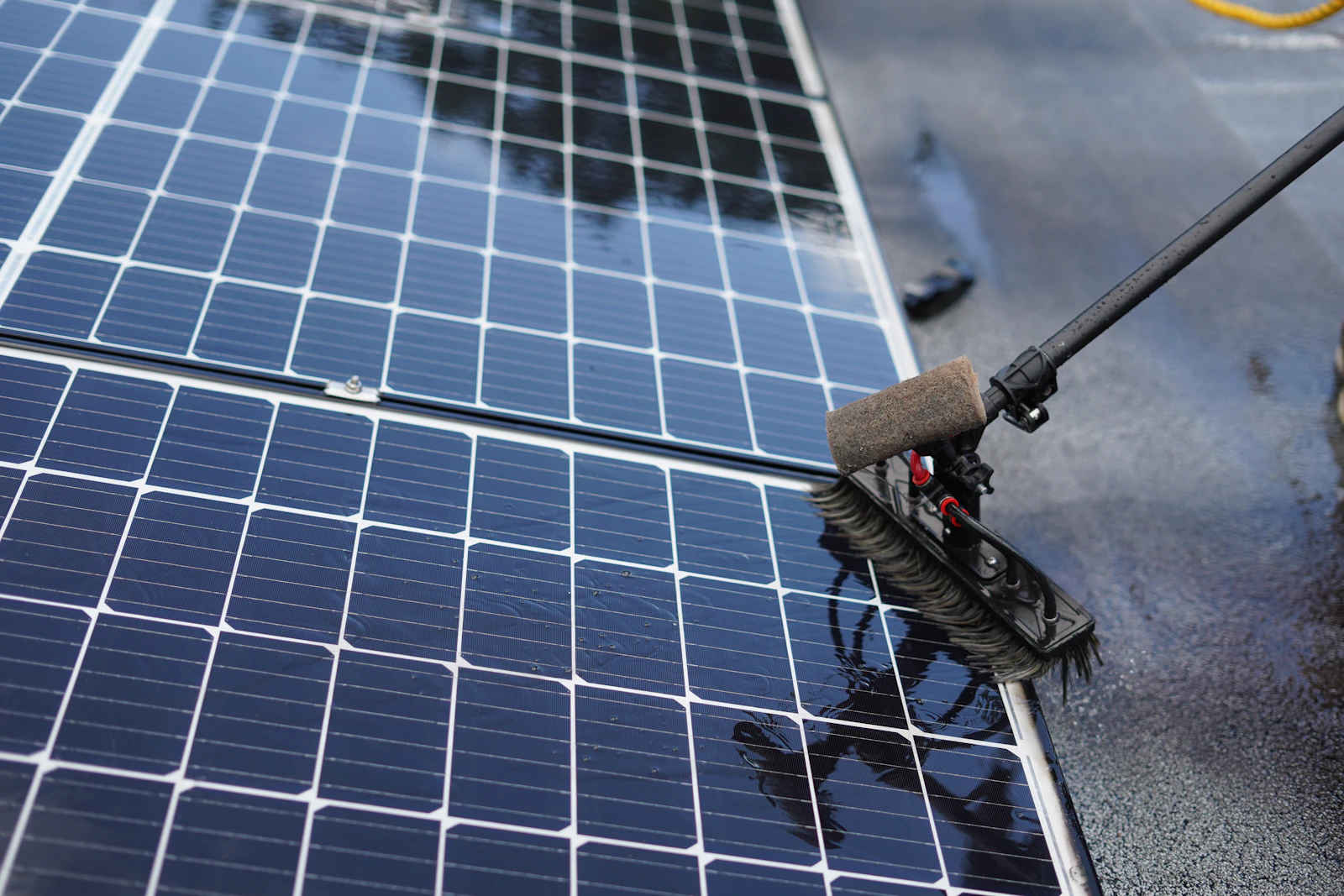
Solar quotes span $3.0-5.2/W depending on financing and inclusions. Sourced guidance on what to check so quotes are actually comparable to each other.
Read guide →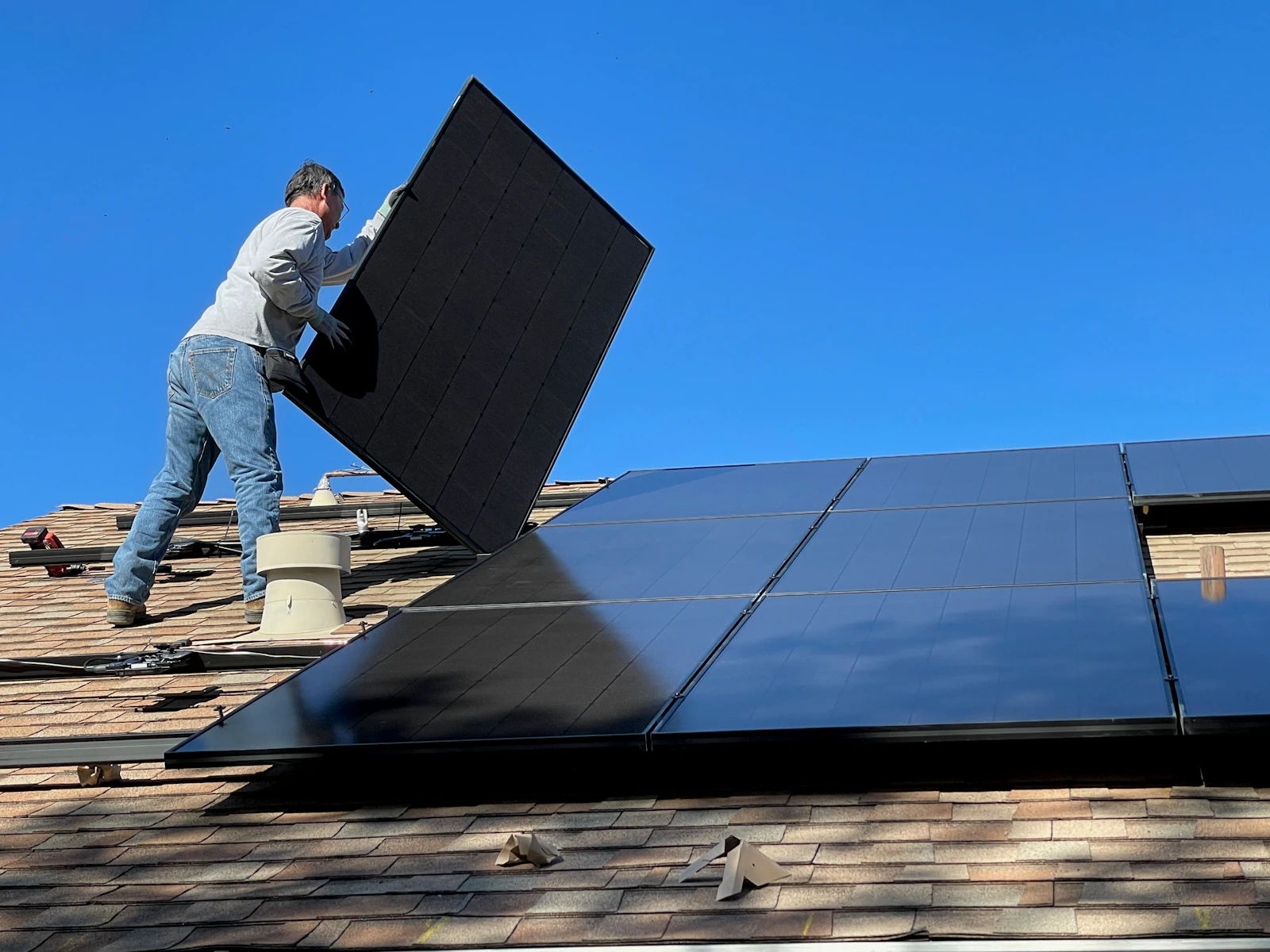
Sourced facts on claiming and carrying forward the federal residential solar credit for systems installed before the 2025 repeal deadline hit.
Read guide →
A typical system is 7.2 kW with roof-mounted, fixed-tilt panels. Sourced facts on installation configuration, permitting, and what determines timeline.
Read guide →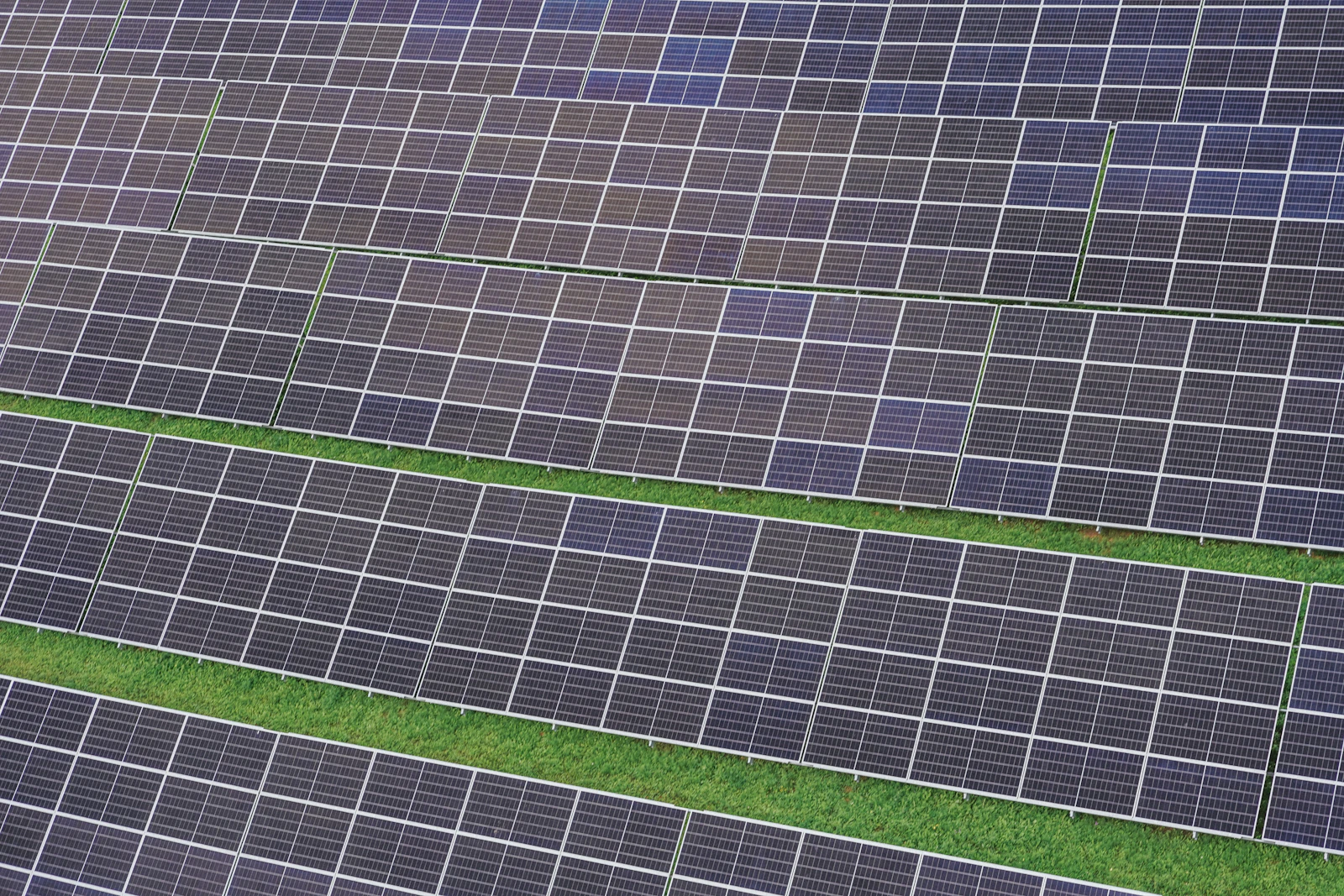
A 10% year-over-year production drop signals a maintenance issue, per DOE. Sourced facts on solar maintenance needs, O&M cost, and service life.
Read guide →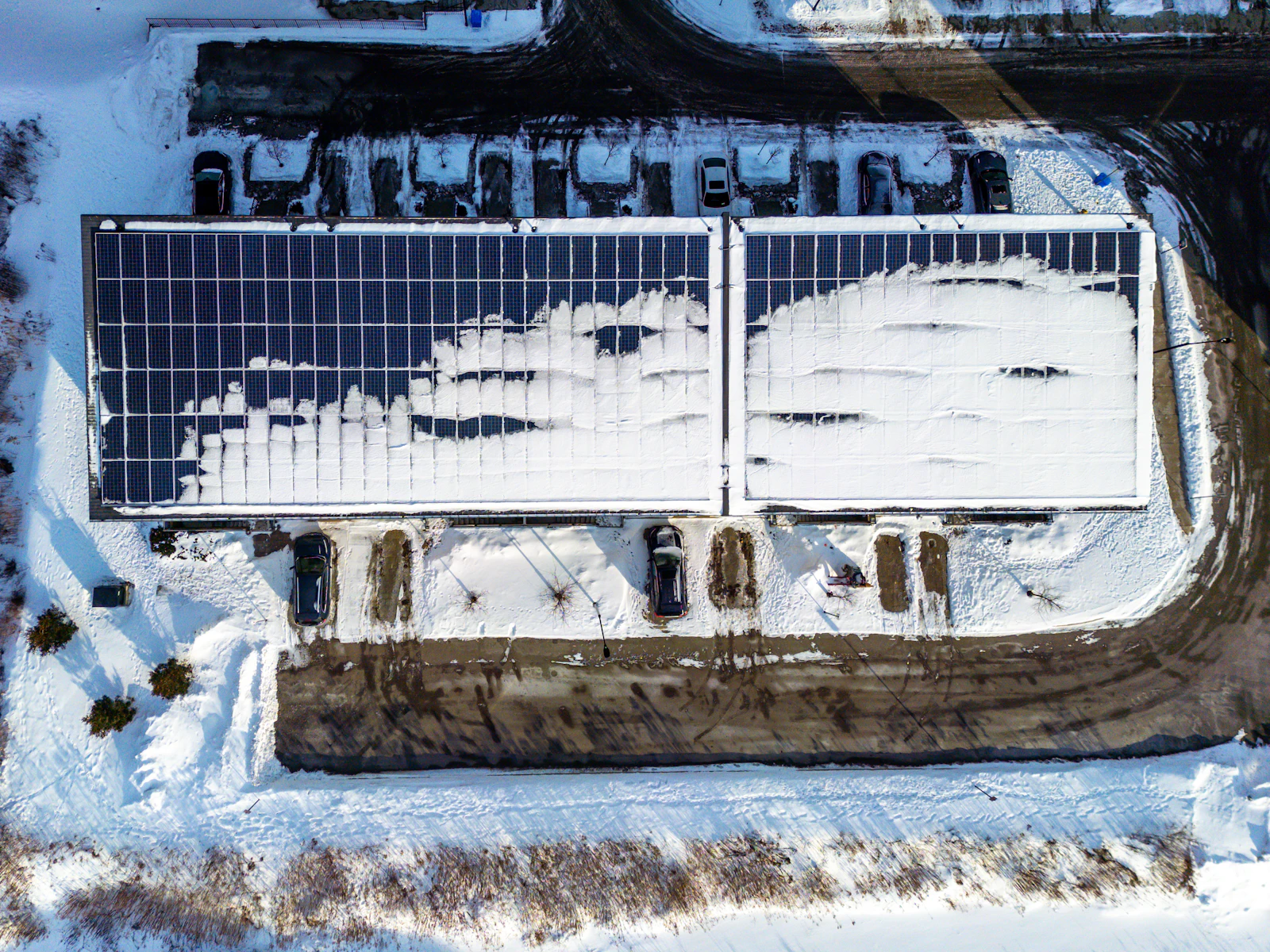
Tilt and azimuth angle are two of six required inputs for a production estimate. Sourced facts on what determines output — no rule-of-thumb angle is sourced.
Read guide →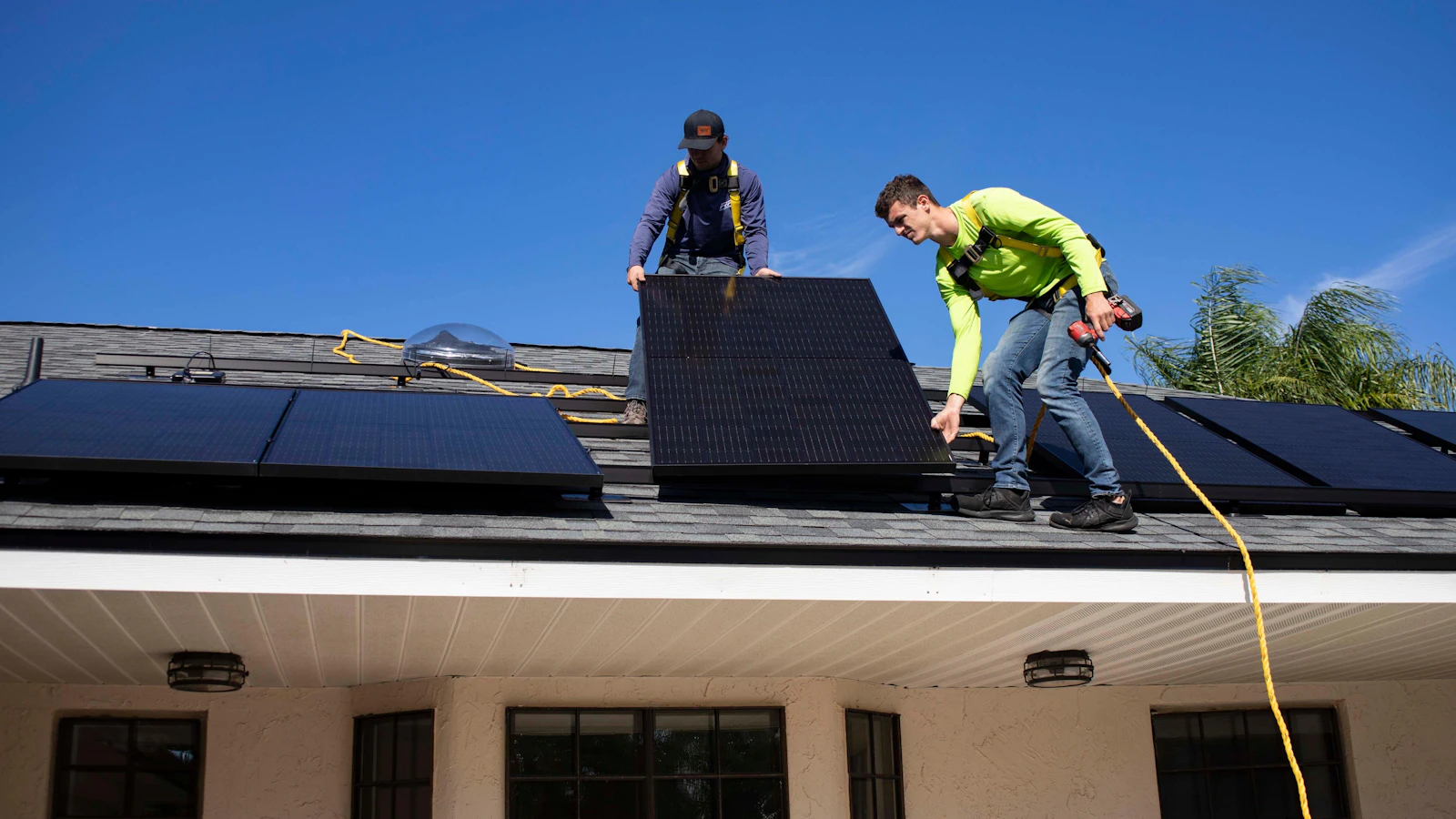
Module warranties often don't cover labor for repair or removal. Sourced facts on what's covered, what isn't, and why no repair price is stated here.
Read guide →
Permitting is a real, substantial cost driver in solar pricing, though this site hasn't yet sourced state-by-state permit timelines or requirements.
Read guide →
NREL's standard benchmark models a fixed-tilt, roof-mounted residential system. Sourced facts on configuration, degradation, and service life.
Read guide →
No federal solar rebate program is sourced beyond the now-repealed tax credit. State rebates, SRECs and utility programs need a separate state-specific check.
Read guide →
The 30% federal solar tax credit was repealed for installations after 2025. Sourced facts on what changed, what carries forward, and what's still unknown.
Read guide →
The federal credit was 30% of qualifying costs for 2022-2025 installs, with no income limit sourced. A worked example and the carryforward math.
Read guide →The questions homeowners actually ask before they sign anything.
NREL's 2024 Annual Technology Baseline gives first-year capacity factors for residential PV of 19.6% in the best resource class, 12.7% in the worst and 15.7% on average, on a DC basis. Multiplied out across a year that implies roughly 1,110–1,720 kWh per kW-DC, mean near 1,375 — derived from those capacity factors, not stated by NREL.
The system-loss percentage behind the production estimate, along with the tilt and azimuth used. Those are three of the six inputs the standard public model requires, and a proposal that cannot state them is quoting a production figure it did not model.
No. Year 25 is where the performance warranty usually lands, at about 80% of the initial rating, and DOE puts residential panel service life at 20–25 years. The warranty is a contractual floor on output, not a switch that turns the array off.
It depends on three things the term length does not tell you: whether the decline is linear or stair-stepped, whether labour to remove and refit a module is covered — a DOE-sponsored analysis says module warranties do not cover labor costs — and whether it transfers if you sell the house.
Because a calculator would have to assume a tariff, an export credit rule and a loss factor we have not sourced, and it would present those assumptions as your answer. NREL's PVWatts is the public tool for the production side, and it shows its inputs and its range.
We connect you with licensed local solar companies, and we are not a solar contractor. We publish no claim about network size, coverage or vetting, because nothing in our sources establishes one.