Serving all 50 states and DCSolar Panel Answers connects you with licensed local solar companies. We are not a solar contractor.
(833) 555-0176
United States

Solar panel installation

A typical system is 7.2 kW with roof-mounted, fixed-tilt panels. Sourced facts on installation configuration, permitting, and what determines timeline.

Solar panel installation
What does a typical residential installation actually look like?

A roof-mounted, fixed-tilt array sized around the median 7.2 kW installed in 2024, though the middle 60% of installs ranged roughly 4 to 11 kW. NREL's modeling assumption for a representative system uses roughly 7.9-8 kW with a 1.21 DC-to-AC ratio, meaning the panels are sized somewhat larger than the inverter's rated output — a standard, deliberate design choice, not an error.

Solar Panel Answers connects you with licensed local solar companies. We are not a solar contractor.

What inputs actually determine expected production?

Six required inputs feed the standard estimation tool, PVWatts: DC system size, module type, array type, system losses, array tilt angle, and array azimuth angle. NREL is direct that its own tool's estimates "include many inherent assumptions and uncertainties and do not reflect variations between PV technologies nor site-specific characteristics" — a caveat worth remembering when comparing an installer's production estimate against the tool's output.

What role does permitting play in the process?

This brief doesn't have sourced national permitting timelines or requirements — those are set locally and vary by jurisdiction, a separate research pass this site hasn't completed. What is sourced, generally, is that permitting and related "soft costs" make up a substantial share (just over half, per NREL's 2024 benchmark) of the total installed price, so it's a real cost and time factor even without a specific number to quote here.
What role does permitting play in the process?

How is inverter type part of the installation decision?

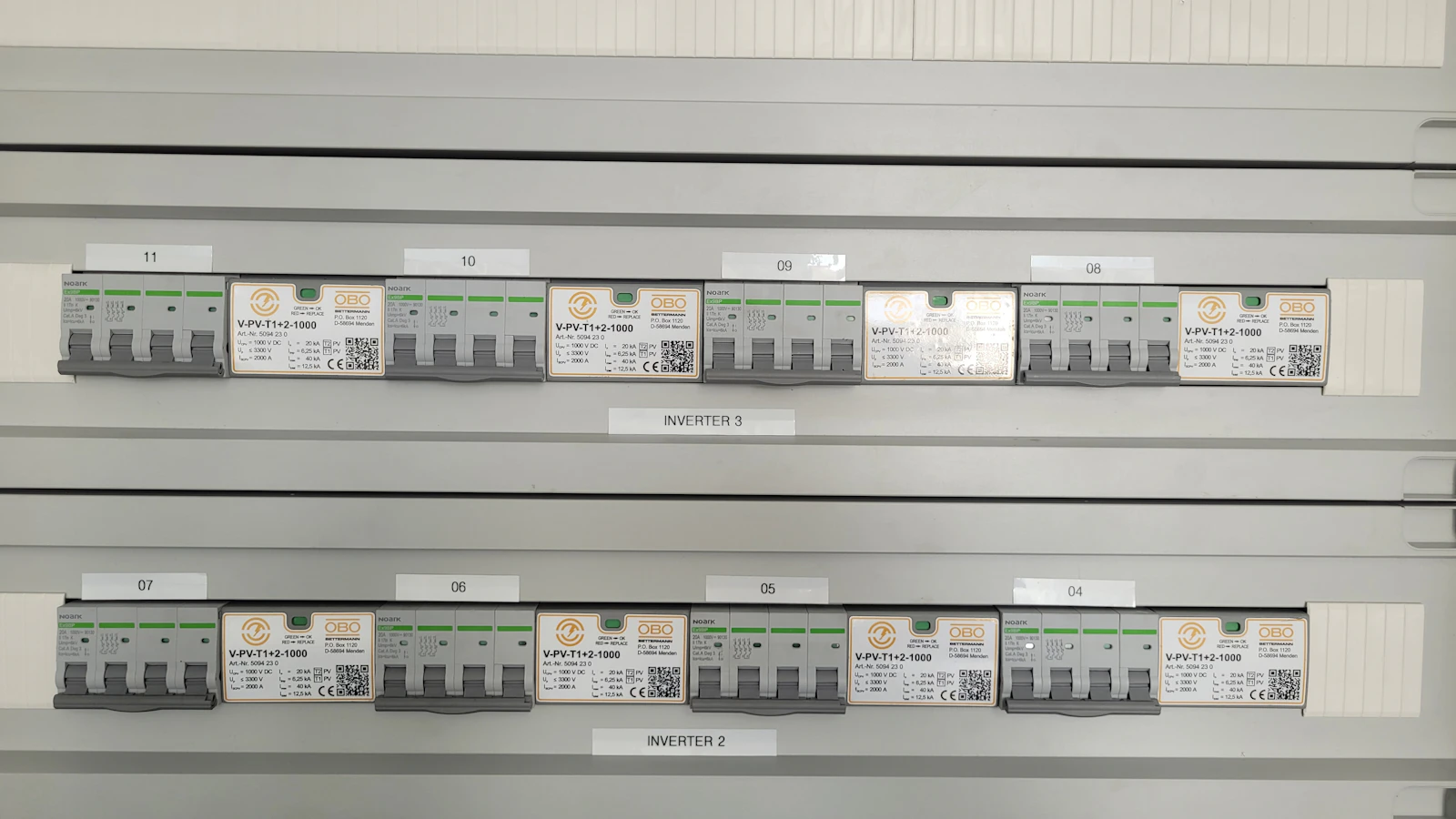
NREL's 2022-2024 cost benchmarks specifically assume microinverters for residential systems, which is part of why the benchmark's hardware cost share runs higher than in earlier years. Inverter choice affects both the cost breakdown and the equipment's expected service life — string inverters typically run 10-15 years before replacement, while microinverters are expected to last similarly to the panels themselves.

Sources

3 cited
  1. Typical system size and configuration: Lawrence Berkeley National Laboratory, U.S. Distributed Solar and Storage — 2025 Data Update, October 2025; NREL/TP-7A40-92536, January 2025 (checked 2026-08-18).
  2. PVWatts required inputs and limitations: PVWatts Calculator briefing, NREL, July 2025 (checked 2026-08-18).
  3. Inverter service life: US DOE, A Consumer's Guide to Buying a House with Solar Panels (checked 2026-08-18).
How it works

From “is it worth it?” to a number you can check

1

Start with your power bill

The kilowatt-hours you used over the last year is the number every honest quote is built from. Without it, any price is a guess.

2

See what the roof can actually make

Pitch, orientation and shade decide how much of that usage a system can realistically cover. This is the step door-to-door pitches skip.

3

Put the quotes on one basis

Cash, loan and lease are three different products. Compare system size and total price first, then compare the financing separately.

4

Matched with a licensed local company

The work is done by licensed local solar companies. We do not sell panels and we do not fit them.

How we work

What to expect from this site

Every figure here carries its source and the date it was checked.

Answer first, then the working

Each page opens by answering its own question in a couple of sentences, then shows the arithmetic underneath for anyone who wants to check it.

Ranges, not one confident number

Solar pricing moves with the roof, the state, the utility and the financing. A single national figure fits almost nobody, so we publish the spread our sources support.

We say when the maths does not work

A shaded roof on a low tariff can be a poor buy. That is a legitimate answer to the question and you will find it here rather than a reason to keep reading.

We are not the contractor

We do not sell panels and we do not fit them, so nothing here depends on you signing. Licensed local companies do the work.

Questions

Frequently asked

The questions homeowners actually ask before they sign anything.

Why is my panel wattage bigger than my inverter's rated output?

That's the DC-to-AC ratio, and NREL's benchmark configuration specifically uses 1.21 — panels sized larger than the inverter is a standard, deliberate design choice to improve production during lower-light conditions, not a sizing mistake.

How long does the permitting process take?

This brief doesn't have a sourced national timeline — permitting is set locally and varies by jurisdiction. What is sourced is that permitting-related soft costs are a substantial share of the total price nationally.

Should I choose microinverters or a string inverter?

Each has documented trade-offs: string inverters typically need replacement after 10-15 years, while microinverters are expected to last closer to the panels' own lifespan. NREL's recent cost benchmarks specifically assume microinverters for residential systems.

Is a production estimate from PVWatts exact?

No — NREL states directly that its estimates carry inherent assumptions and uncertainties and don't reflect site-specific characteristics or variation between PV technologies. Treat it as a well-sourced estimate, not a guarantee.

Get matched with a licensed local solar company

Request a QuoteCall Now