
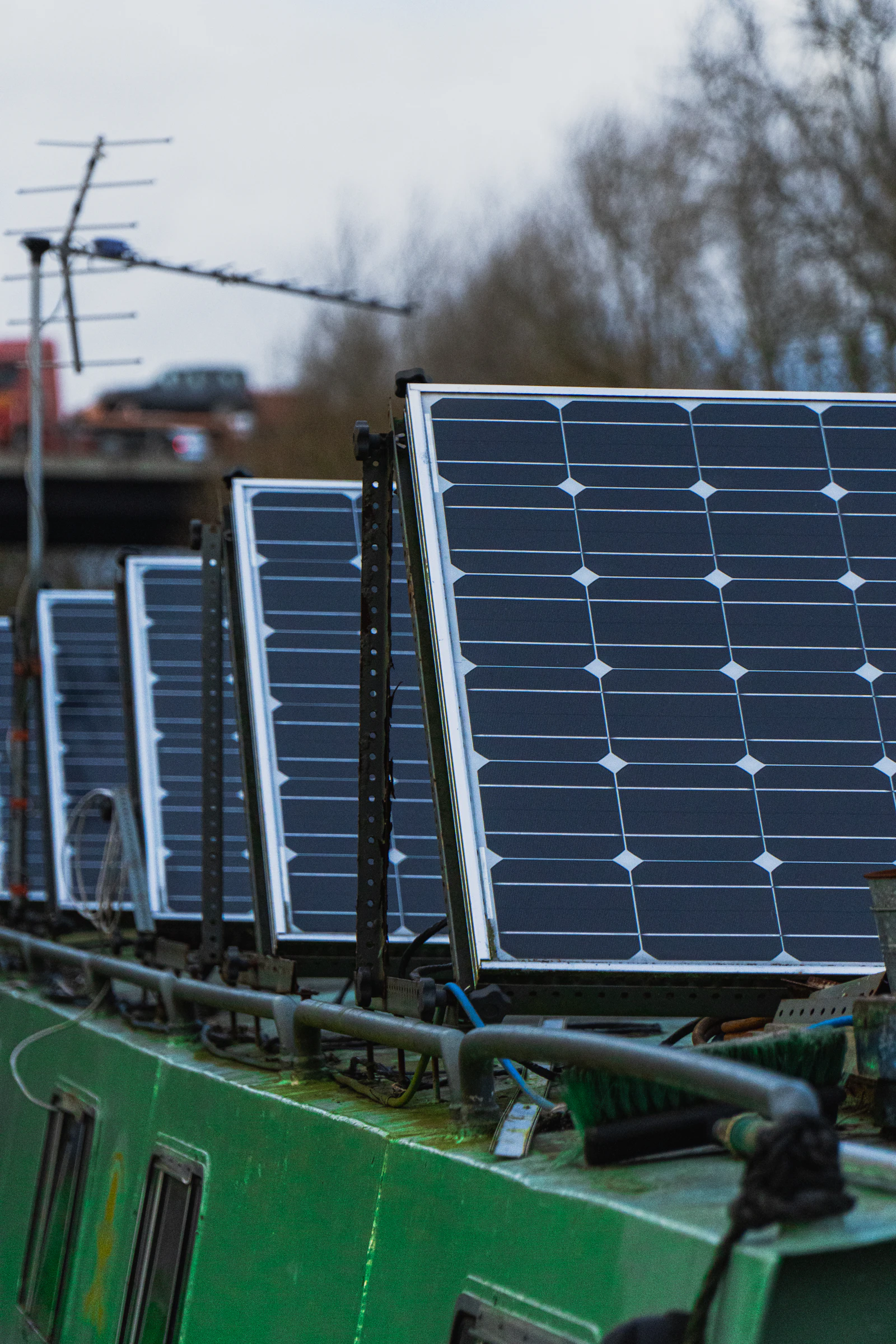
Yes, in the sourced modeling — NREL's 2024 Annual Technology Baseline models residential PV as "fixed tilt, roof-mounted," with a 1.21 DC-to-AC ratio, as its representative configuration. That's the baseline the sourced degradation, cost and production figures elsewhere on this site are generally built around.
Solar Panel Answers connects you with licensed local solar companies. We are not a solar contractor.
How long does a roof-mounted system actually last?
20-25 years is the sourced typical service life for the panels themselves, per DOE's consumer guidance. Inverters run shorter — string inverters typically need replacement in 10-15 years, while microinverters are expected to last closer to the panels' own lifespan. The performance warranty backing the panels typically guarantees 80% of original output at year 25.
Does my roof's condition matter before installing?
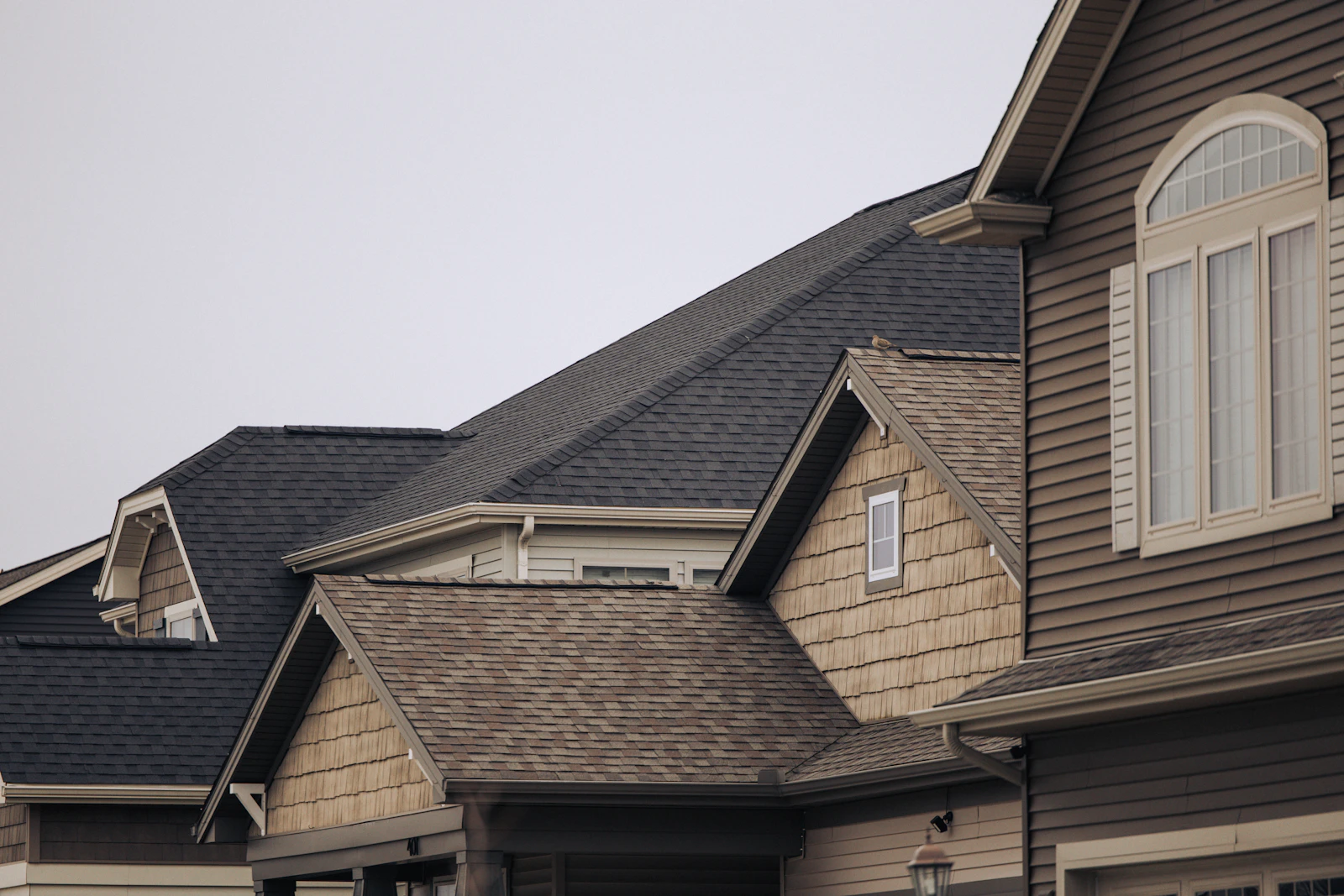
This brief doesn't have a sourced figure for roof-replacement or reinstallation cost, and that gap is explicitly noted as unresolved — the mechanism is real (a system installed on a roof nearing the end of its own service life may need removal and reinstallation when the roof is eventually replaced), but no national cost figure for that scenario is sourced here.
Does a roof-mounted system need extra structural consideration?
This brief doesn't have sourced guidance on roof load calculations or structural requirements specifically. That's a legitimate, practical question to raise directly with an installer or a structural professional, since it isn't covered in the national cost and performance research behind this site.
Sources
3 cited- Roof-mounted, fixed-tilt modeling assumption: NREL 2024 Annual Technology Baseline, Residential PV (checked 2026-08-18).
- Service life figures: US DOE, A Consumer's Guide to Buying a House with Solar Panels (checked 2026-08-18).
- Performance warranty: NREL/TP-7A40-73822, December 2018 (checked 2026-08-18).