Serving all 50 states and DCSolar Panel Answers connects you with licensed local solar companies. We are not a solar contractor.
(833) 555-0176
United States

DIY vs. professional solar installation

Workmanship warranties (1-5 years) only apply to professional installs. Sourced facts on what a professional installation actually covers that DIY doesn't.

DIY vs. professional solar installation
Can I install solar panels myself?

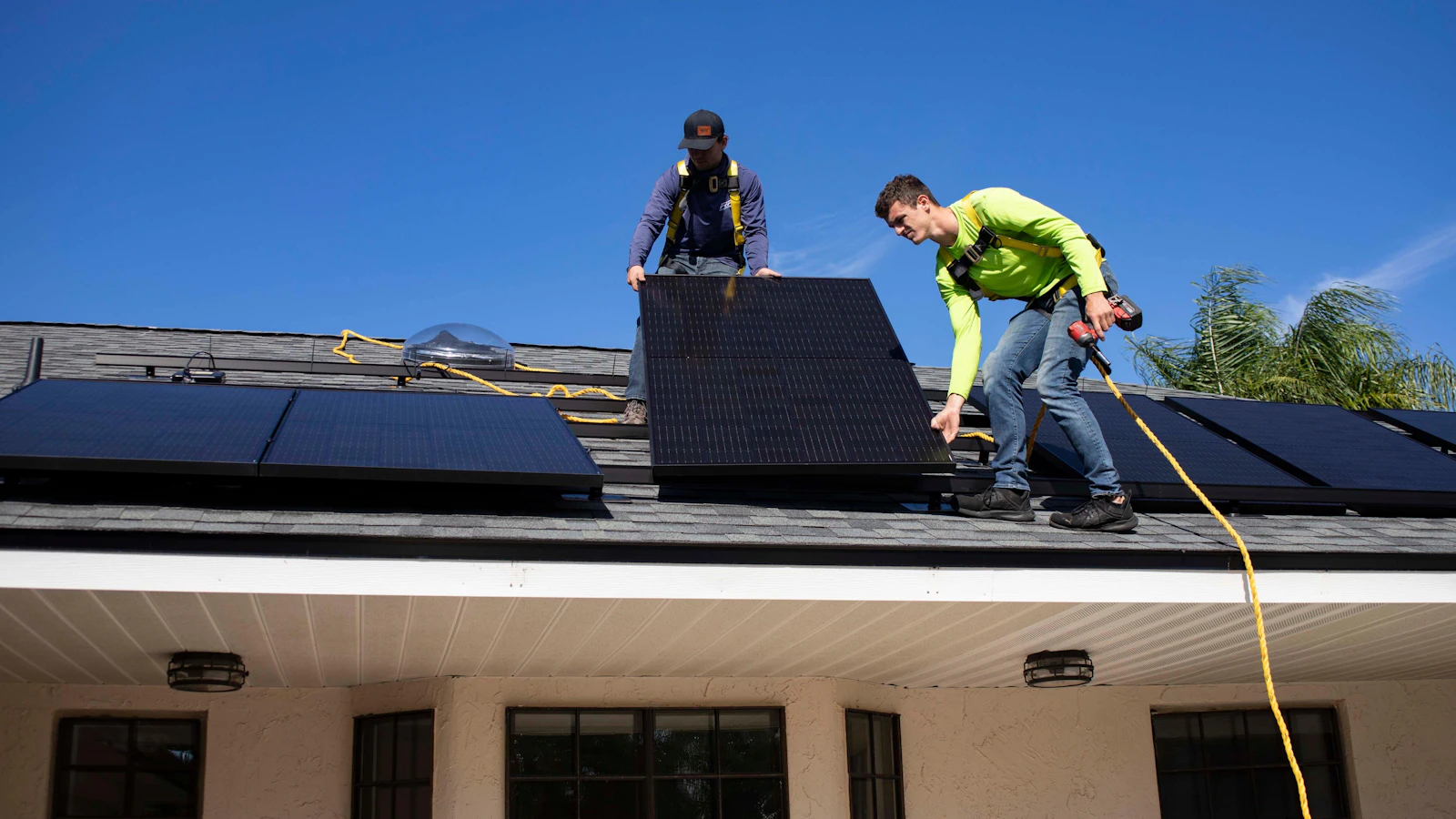
This brief doesn't have sourced guidance evaluating DIY installation directly. What is sourced is what a professional installation specifically provides that a DIY approach structurally cannot: a workmanship warranty covering the installation labor itself, separate from the equipment.

Solar Panel Answers connects you with licensed local solar companies. We are not a solar contractor.

What does a workmanship warranty actually protect, and why does it matter here?

It covers the installer's own work — the installation itself, not the equipment. Per NREL/Sandia/SunSpec research, an installer warranty "may be only 1-5 years," which is a real, if modest, protection a licensed installer's work carries that a self-performed installation doesn't have an equivalent for, since there's no separate party's labor being warrantied.

Does DIY installation affect my permit or interconnection process?

This brief doesn't have sourced national guidance on this specifically — permitting and interconnection processes are set locally and by your utility, and some jurisdictions or utilities may have licensing requirements for who can perform grid-connected electrical work. Check with your local permitting authority and utility directly before assuming a DIY path is viable in your area.

Does DIY installation affect my permit or interconnection process?

What about the tax credit — does installer choice matter there?

For any installation completing after December 31, 2025, no federal §25D credit applies regardless of who performs the installation — the credit's repeal isn't tied to professional versus DIY installation. For pre-2026 installations that did qualify, this brief doesn't have sourced guidance distinguishing DIY from professional installs for credit-eligibility purposes specifically.

Sources

2 cited
  1. Workmanship warranty terms: NREL/Sandia/SunSpec Alliance, Best Practices for O&M of Photovoltaic and Energy Storage Systems, 3rd Ed., NREL/TP-7A40-73822, December 2018 (checked 2026-08-18).
  2. Federal credit repeal, applies regardless of installer: CRS Insight IN12611, 2025-09-25 (checked 2026-08-18).
How it works

From “is it worth it?” to a number you can check

1

Start with your power bill

The kilowatt-hours you used over the last year is the number every honest quote is built from. Without it, any price is a guess.

2

See what the roof can actually make

Pitch, orientation and shade decide how much of that usage a system can realistically cover. This is the step door-to-door pitches skip.

3

Put the quotes on one basis

Cash, loan and lease are three different products. Compare system size and total price first, then compare the financing separately.

4

Matched with a licensed local company

The work is done by licensed local solar companies. We do not sell panels and we do not fit them.

How we work

What to expect from this site

Every figure here carries its source and the date it was checked.

Answer first, then the working

Each page opens by answering its own question in a couple of sentences, then shows the arithmetic underneath for anyone who wants to check it.

Ranges, not one confident number

Solar pricing moves with the roof, the state, the utility and the financing. A single national figure fits almost nobody, so we publish the spread our sources support.

We say when the maths does not work

A shaded roof on a low tariff can be a poor buy. That is a legitimate answer to the question and you will find it here rather than a reason to keep reading.

We are not the contractor

We do not sell panels and we do not fit them, so nothing here depends on you signing. Licensed local companies do the work.

Questions

Frequently asked

The questions homeowners actually ask before they sign anything.

Is DIY solar installation cheaper than hiring a professional?

This brief doesn't have sourced pricing specifically isolating DIY versus professional labor costs, so we can't give you a comparison figure.

What do I lose by installing panels myself instead of hiring someone?

The clearest sourced difference is the workmanship warranty — a licensed installer's own labor typically carries 1-5 years of warranty coverage, which a self-performed installation has no equivalent for.

Can I do a DIY installation and still pass inspection?

This brief doesn't have sourced national guidance on permitting or licensing requirements for DIY grid-connected solar work — check directly with your local permitting authority and utility, since requirements vary by jurisdiction.

Does the tax credit require a licensed installer?

This brief doesn't have sourced guidance distinguishing DIY from professional installation for credit-eligibility purposes. What is certain is that for any installation completing after December 31, 2025, no federal §25D credit applies at all, regardless of installer.

Get matched with a licensed local solar company

Request a QuoteCall Now